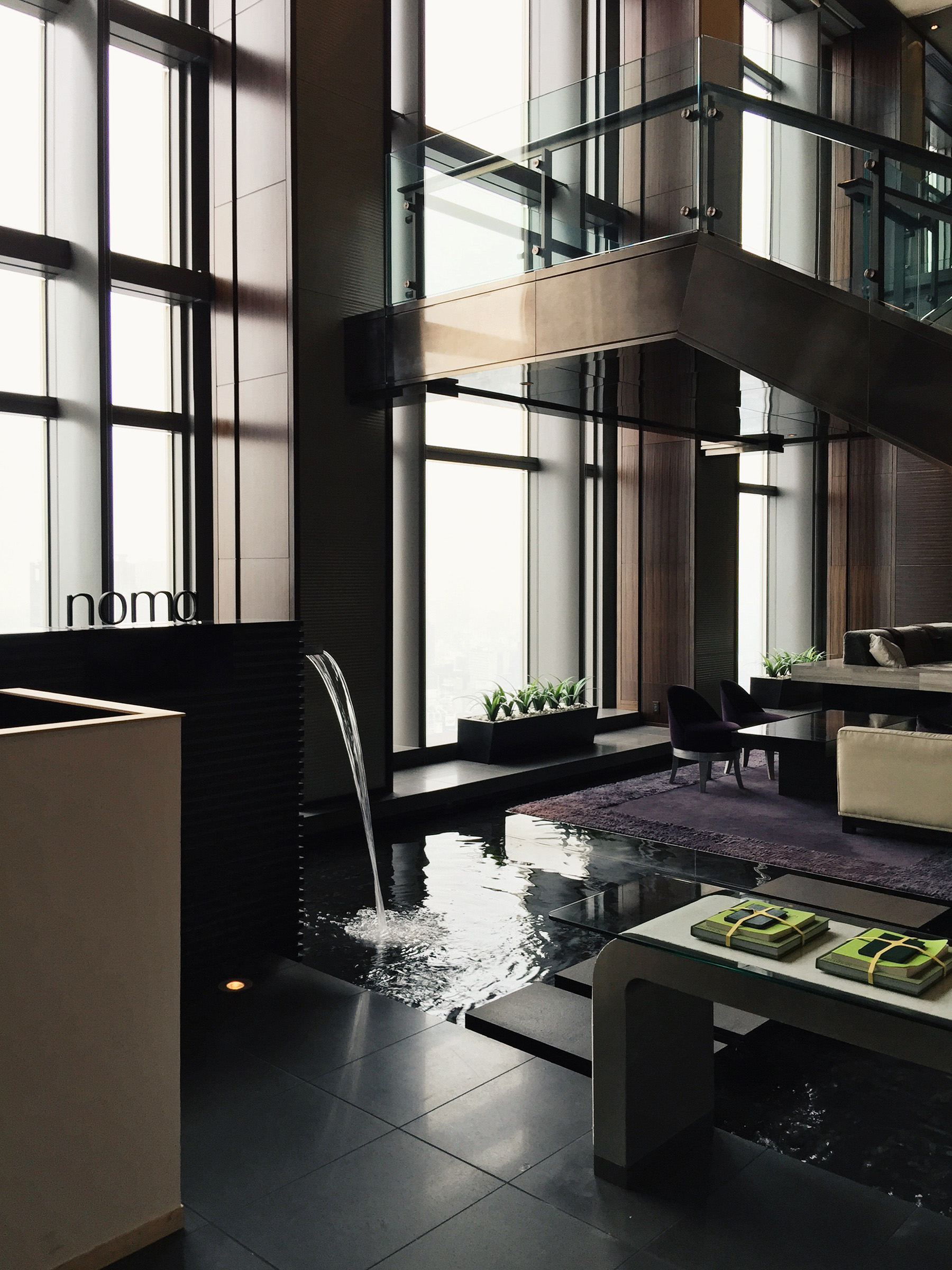
They say it doesn't snow very often in Tokyo. But on the day of our lunch at
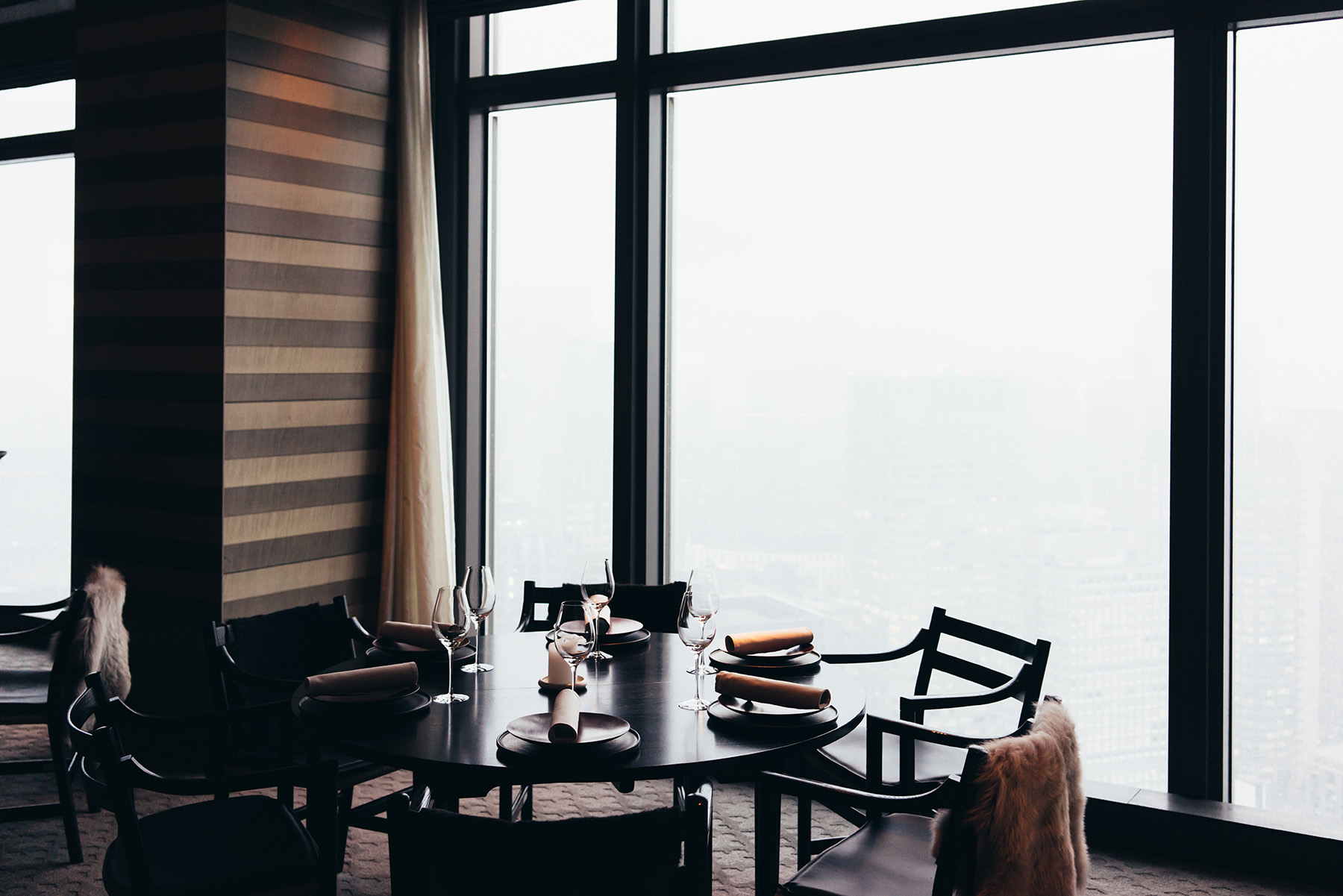
Noma at the Mandarin Oriental, it was coming down hard and the view from the 37th floor was all that much more magical. I'm among this lucky group of diners thanks to the partnership between ANA and Noma and the larger
ANA By Design campaign. It's hard to write about Noma (you know, the
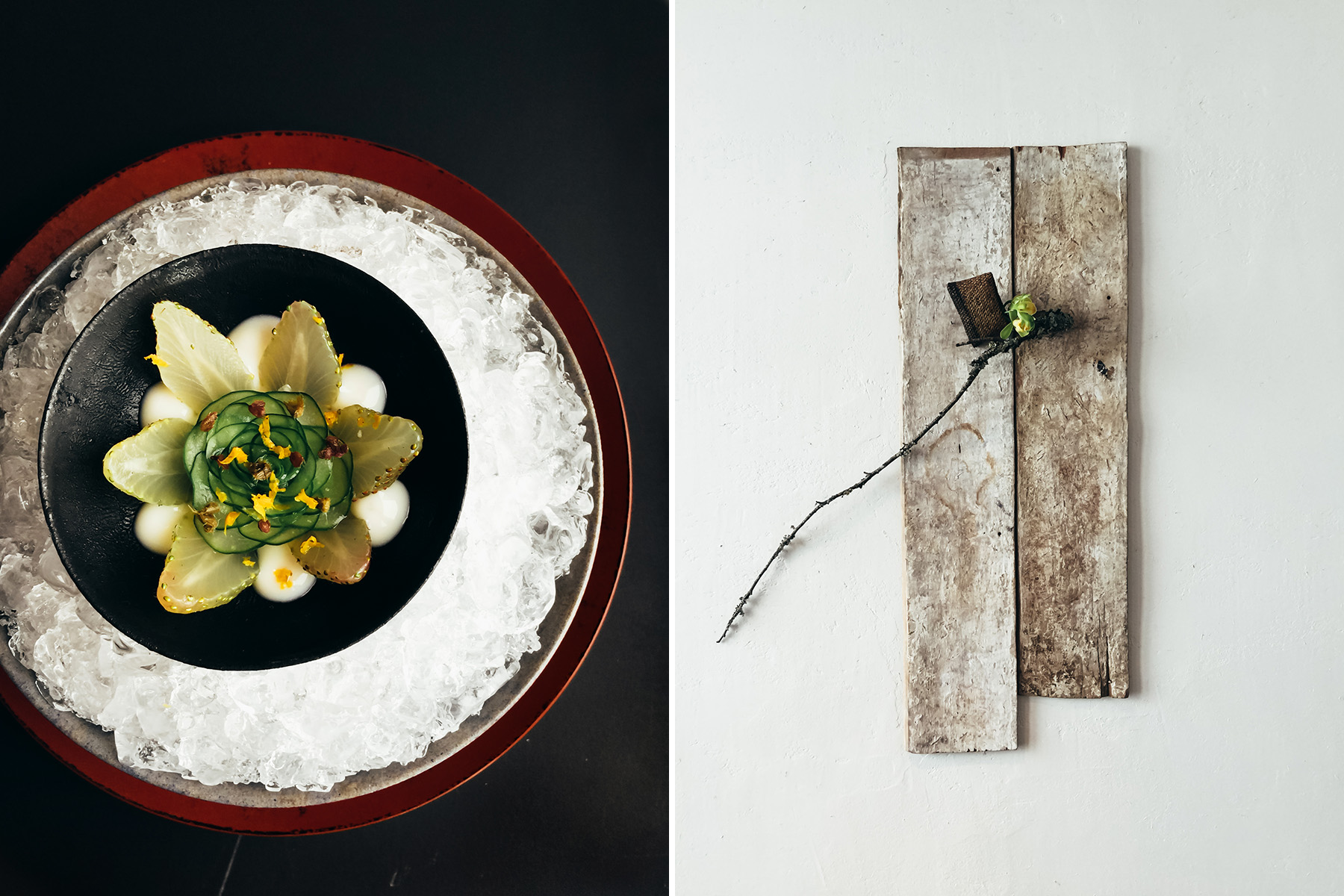
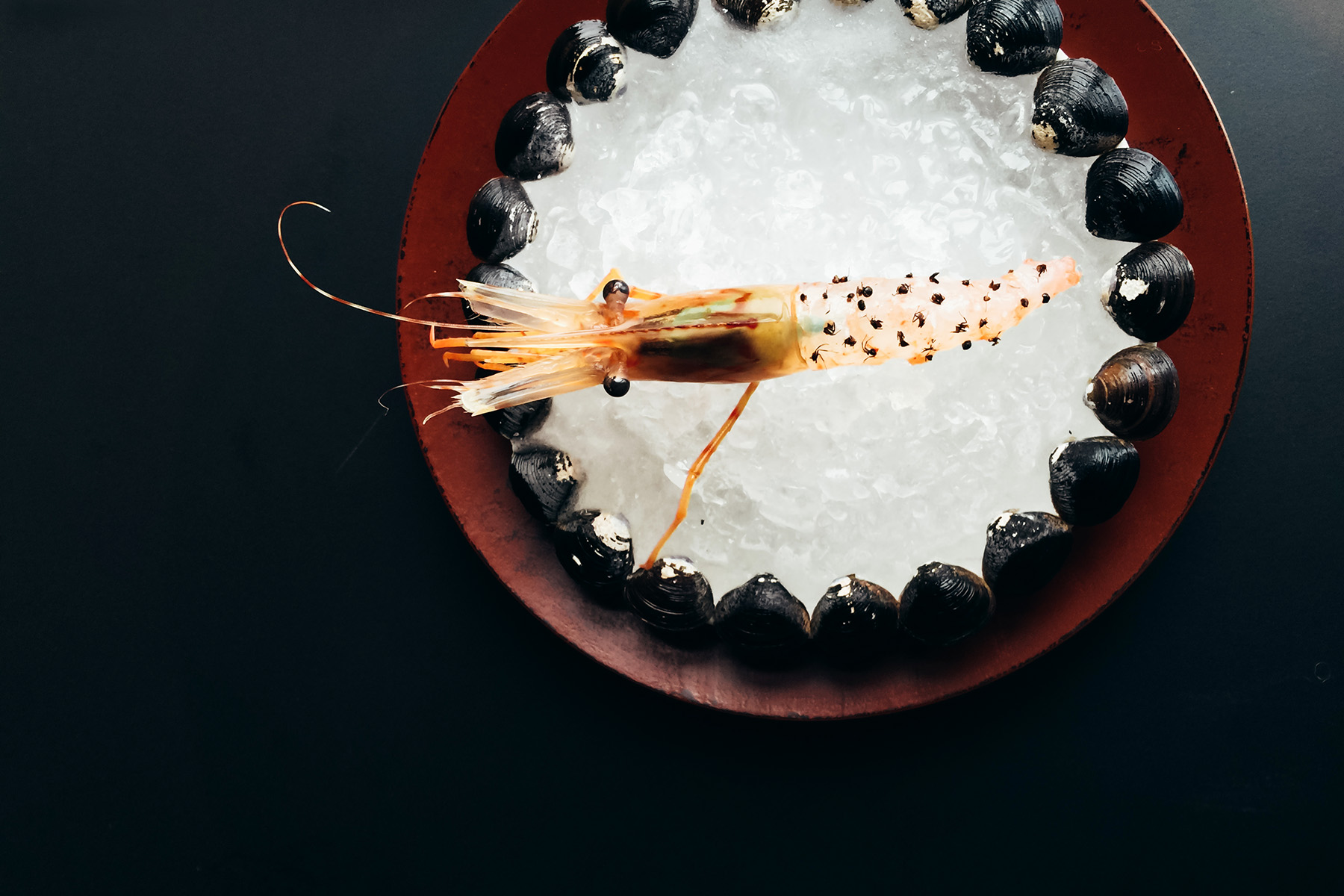
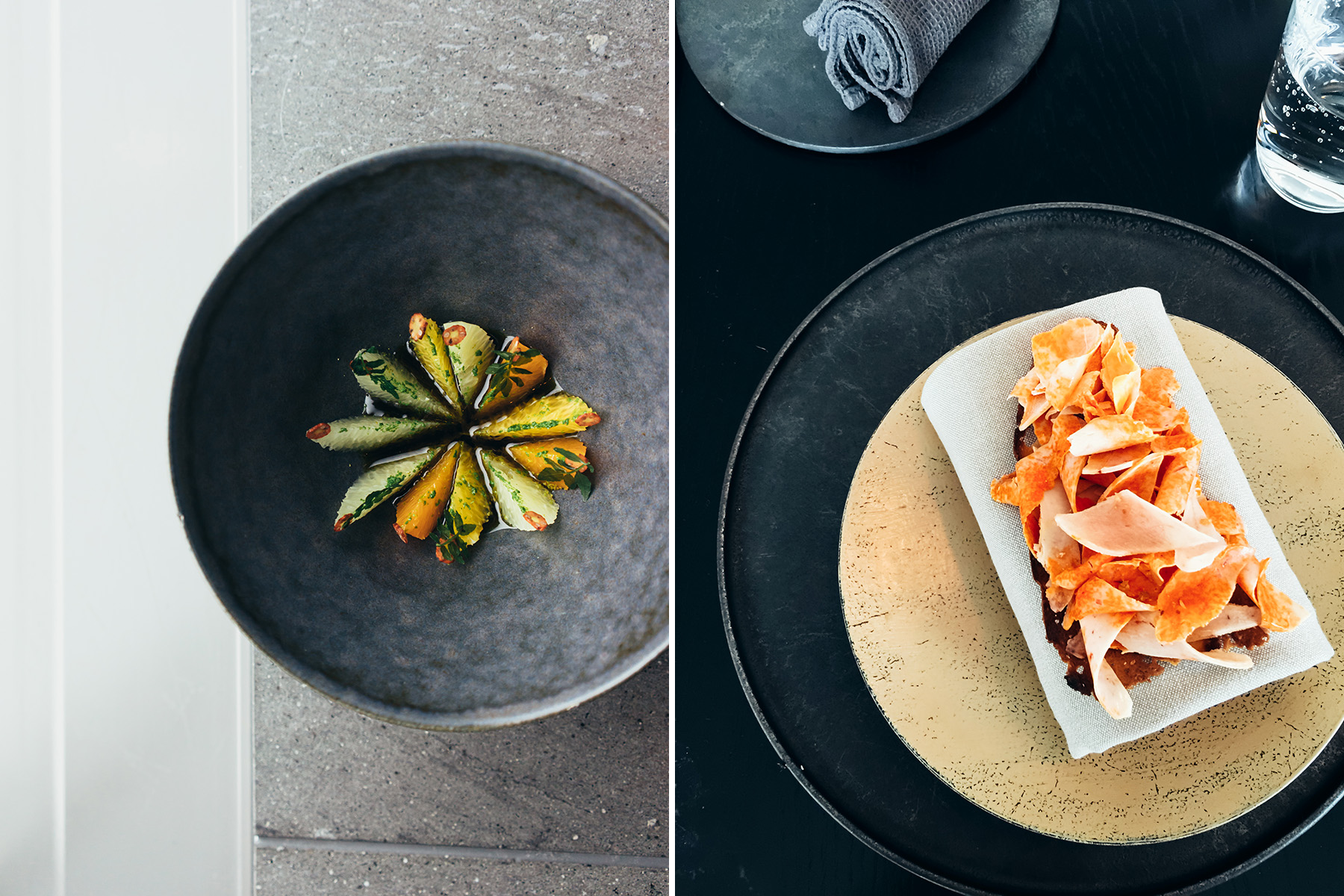
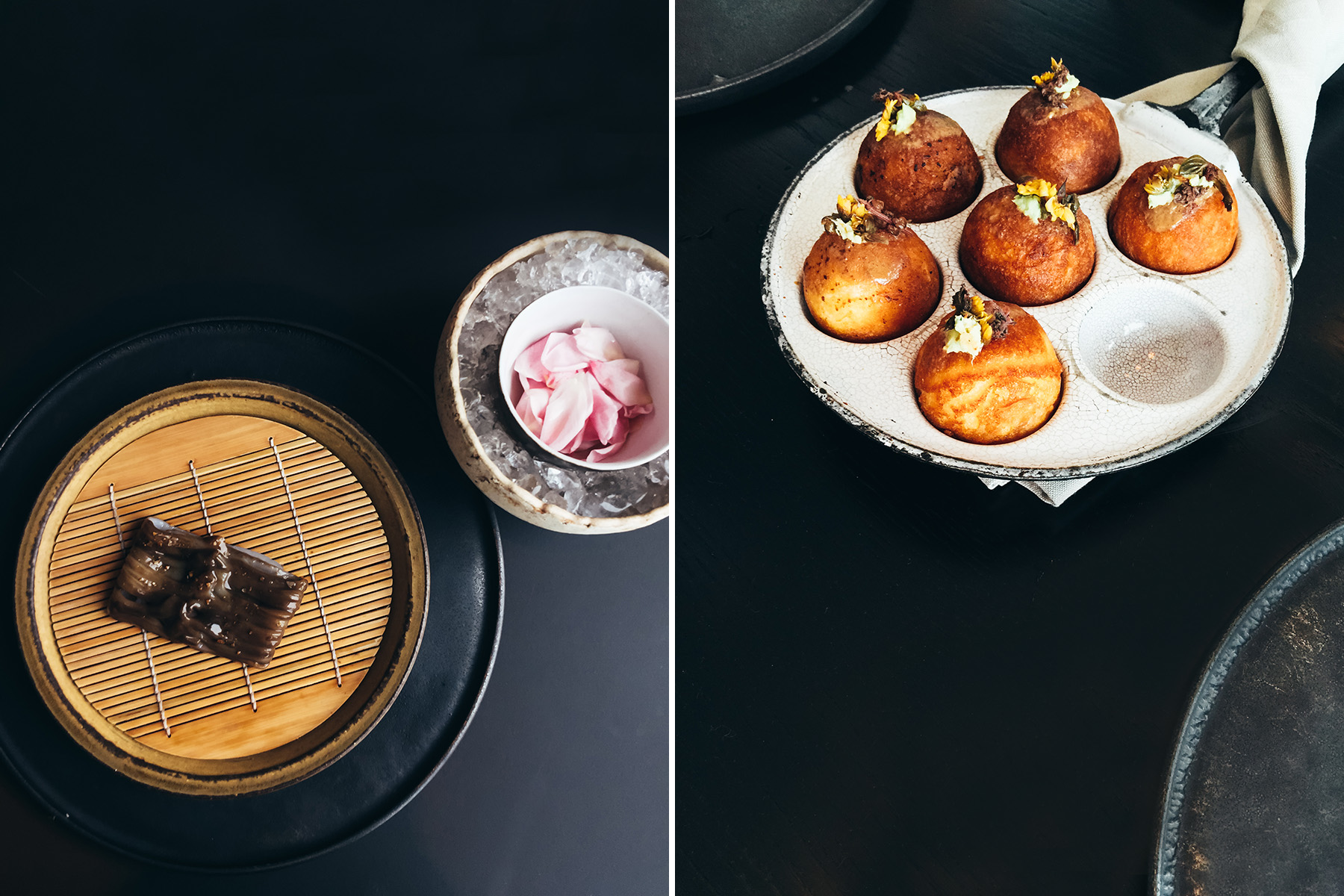
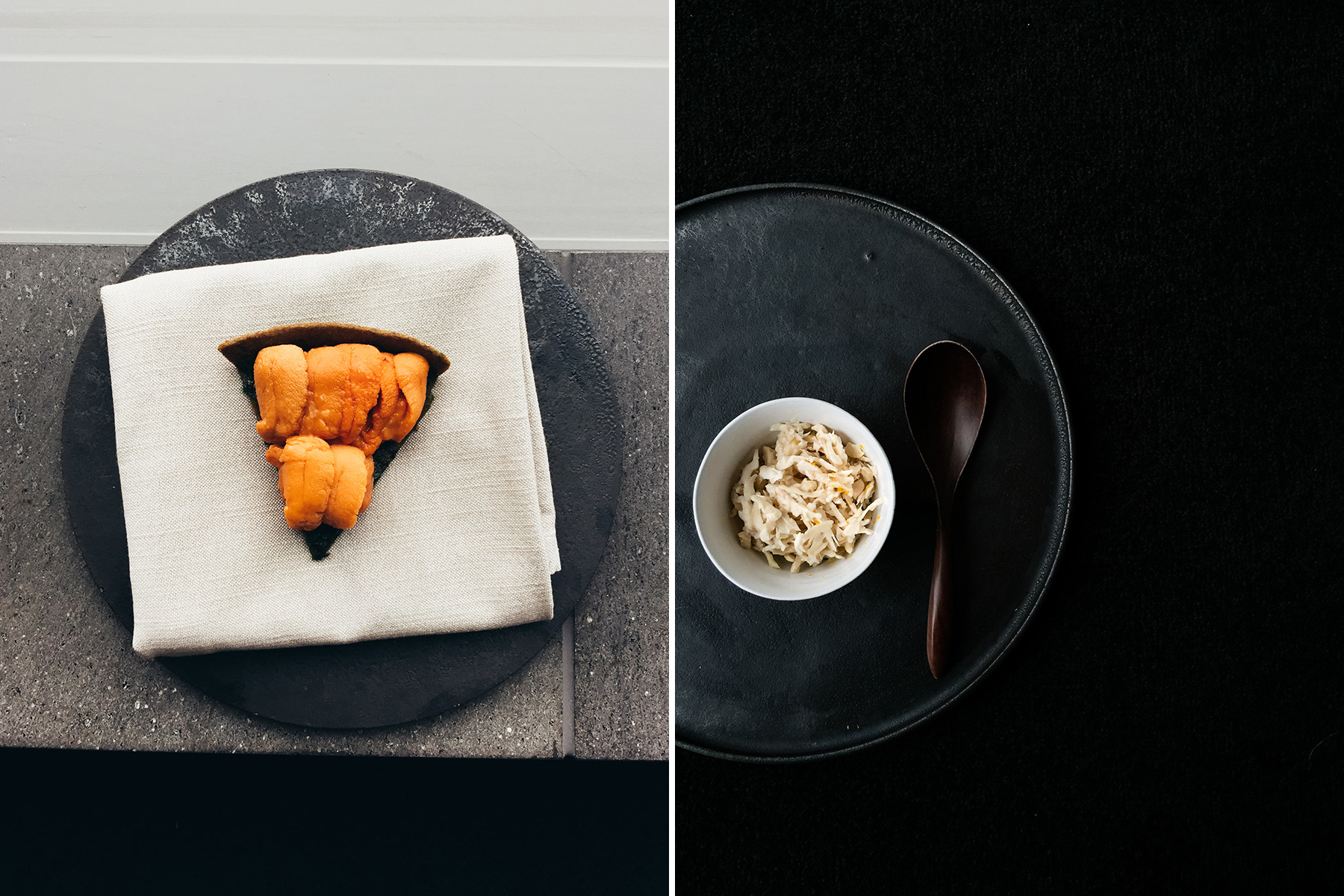
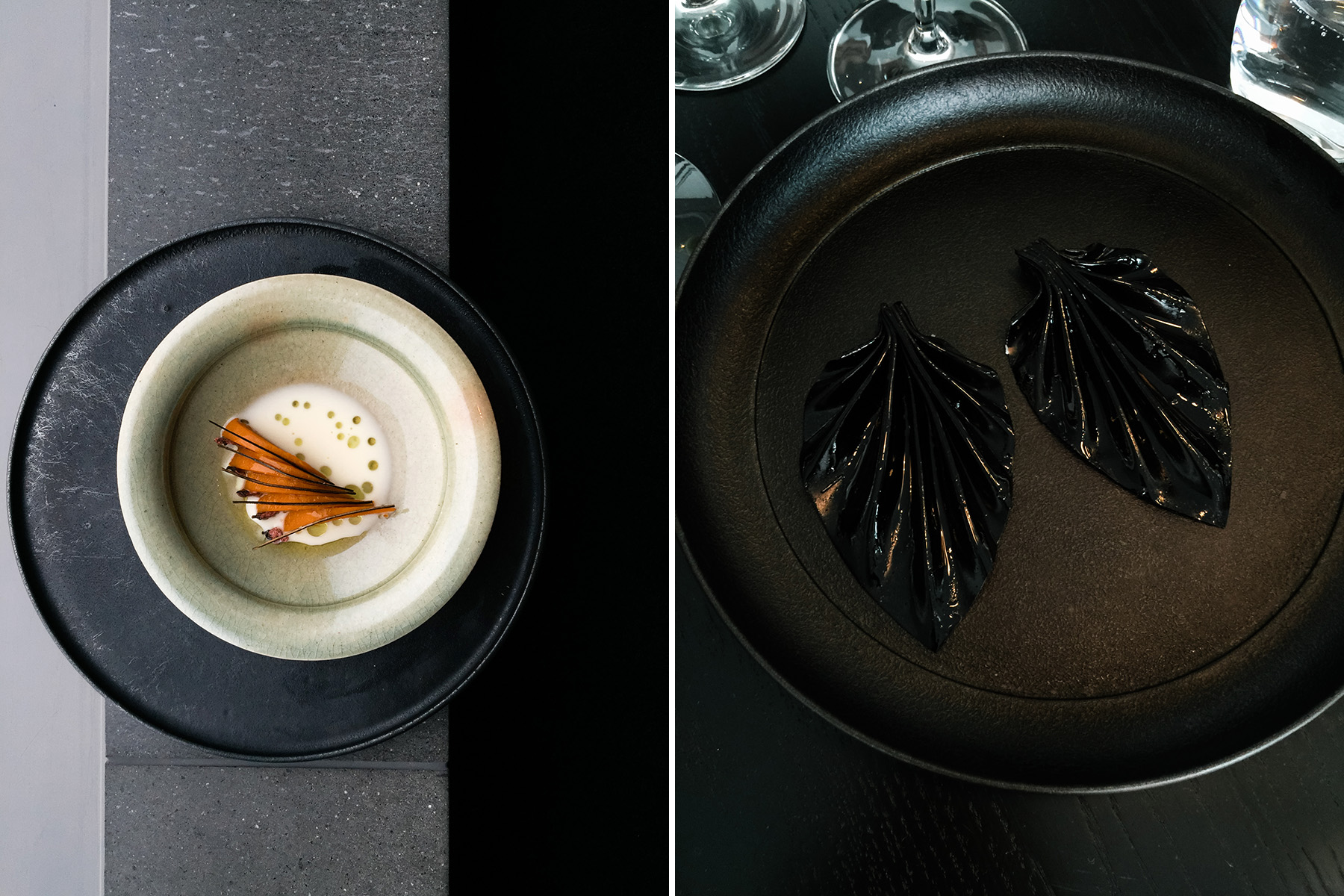
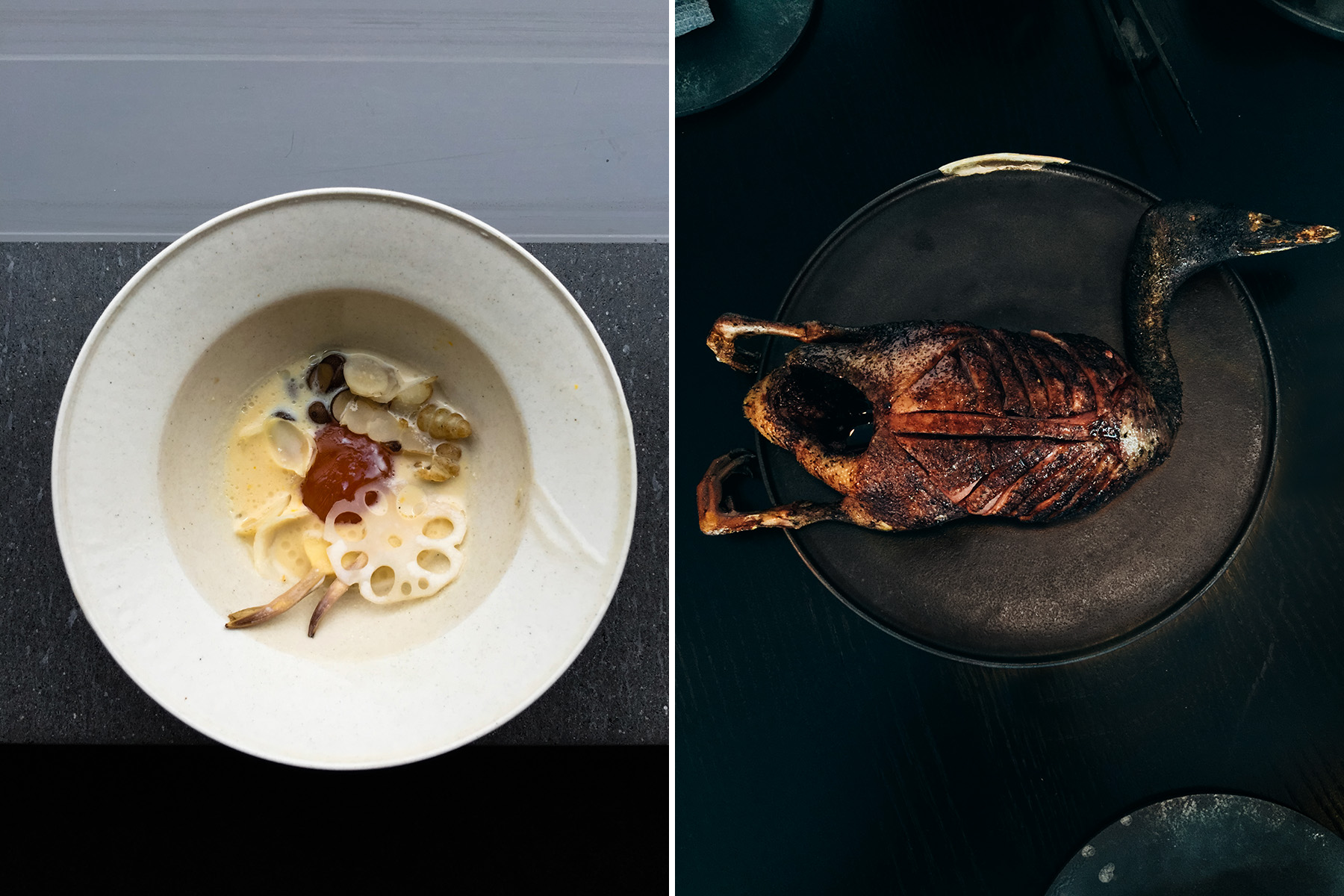
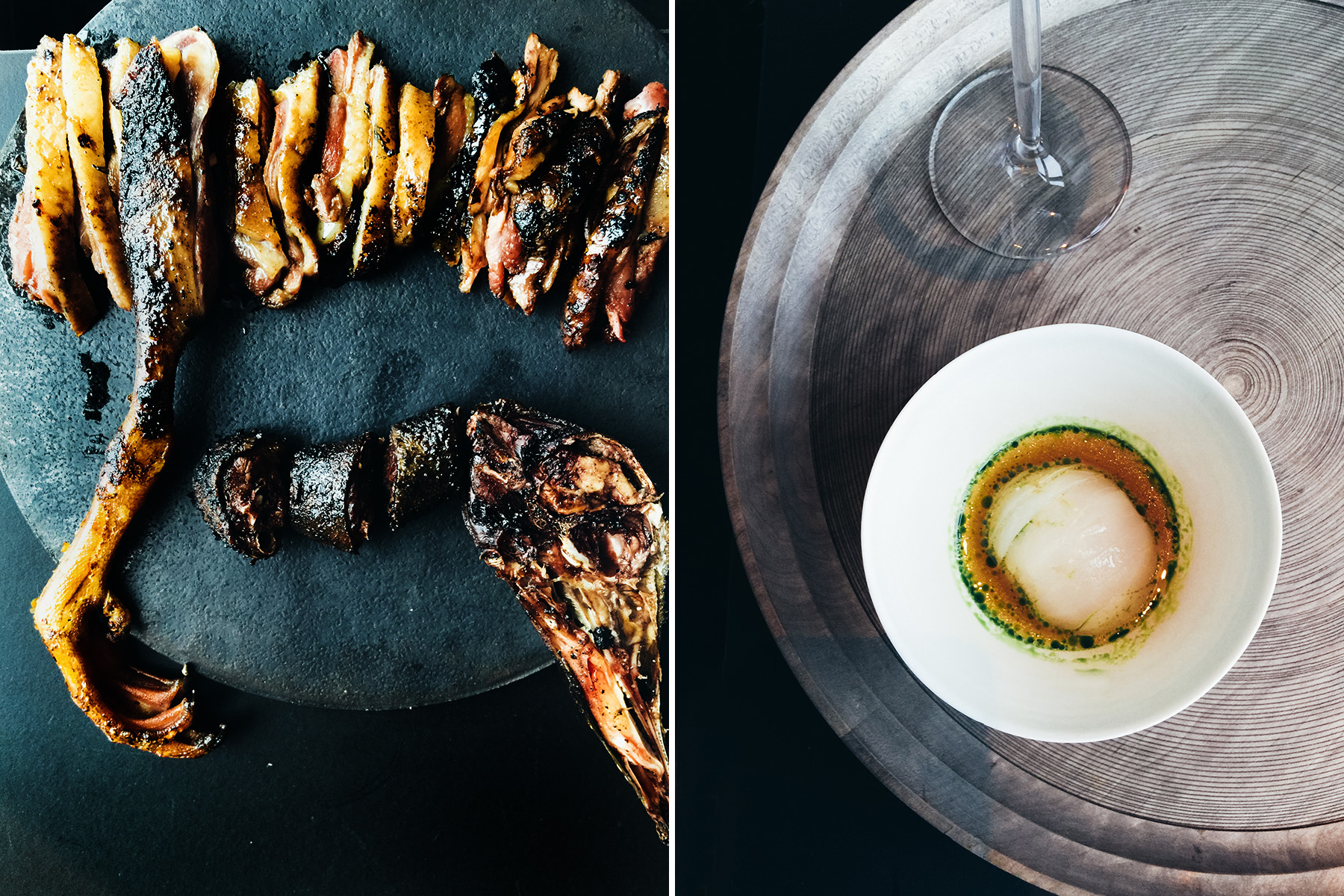
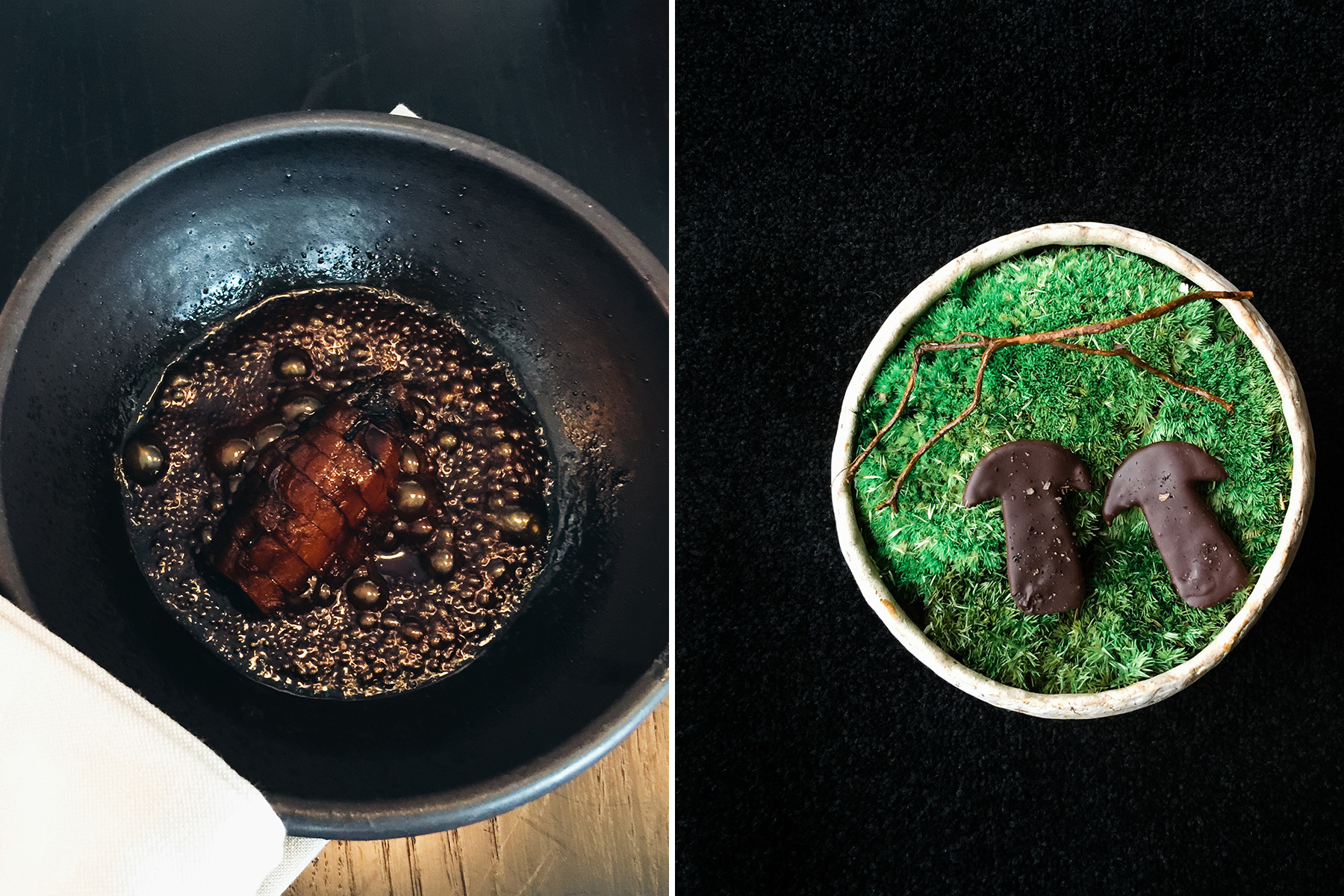
No. 1 restaurant in the world) in a way that doesn't feel trite, and having not been to Noma Copenhagen, I'm lacking a bit of context for this meal. But what I can say for certain is that I've never had so many unfamiliar tastes and textures in a single meal as I had with this one. Every bite was a surprise and a learning experience. Maybe that says more about my inexperienced palate (which I didn't realize was so inexperienced until this meal) than it does about Rene Redzepi's food; but in any case, when your meal starts off with a freshly-killed Hokkaido shrimp jumping off your plate onto the floor, there's a high level of novelty involved.
"This one is a little less athletic," the server jokes as she puts down a new shrimp for me. Luckily, I had no more runaway dishes for the rest of the meal. If I were to write about every course, this would quickly become a dissertation, so I'll only point out a few highlights (though, that's a bit hard when everything feels like a highlight). Even the first dish, the unripe strawberries with sake lees, comes with this great story of how Rene and Lars (head of R&D) had to negotiate for 7 hours with this passionate strawberry producer who refused to sell his white strawberries because he spent his whole life perfecting his red strawberries. Later in a conversation with Rene, he notes how people here [in Japan] are reaching for the sublime and they respect it so tremendously.
The main inspiration for how they organized the flavors of the menu was based on
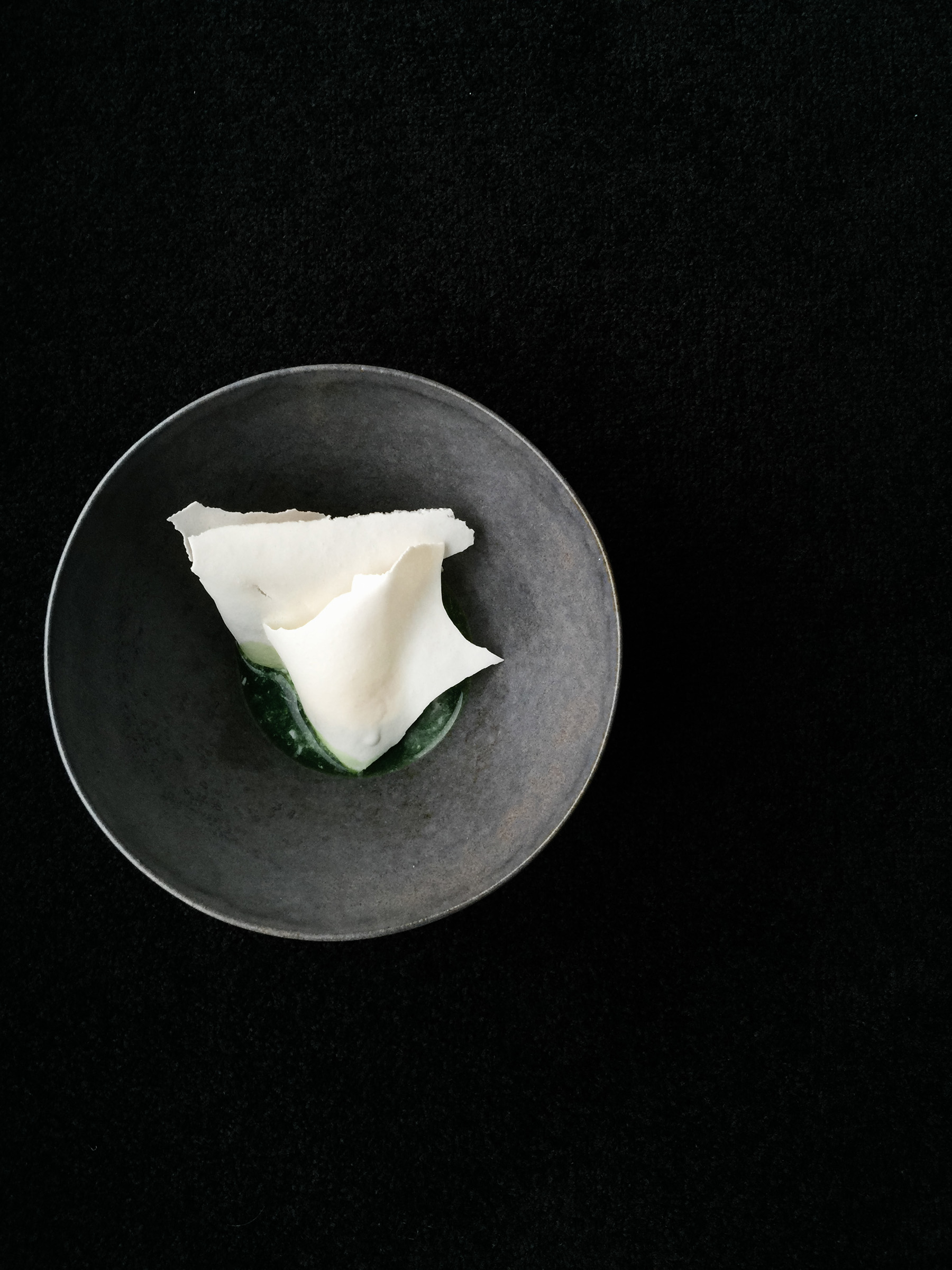
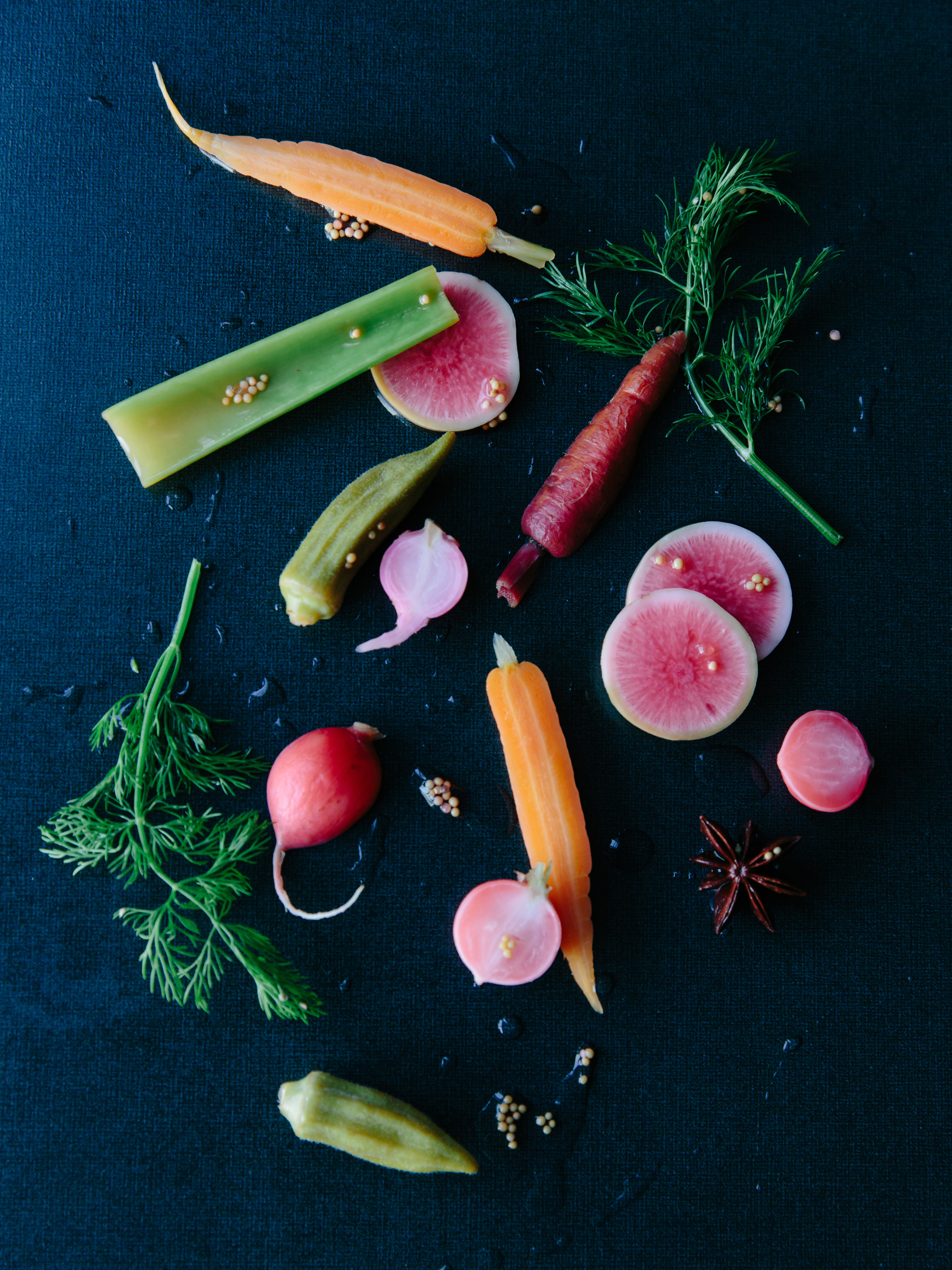
shōjin ryōri, or traditional temple cuisine. There is a focus on vegetables, which is always welcome in a long tasting like this. Some of my favorite dishes included the tofu steamed with wild walnuts, the pumpkin with cherry wood oil and salted cherry blossoms, and a turnip cooked in shiitake mushrooms with roasted yeast broth. Another surprising dish was the aerated scallop (that looked nothing that like scallops I've known and had) which was dried for two days and served with beech nuts and kelp. Talk about umami. Our rice dish (traditional at the end of kaiseki) came in the unexpected form of dessert: rice crisps with sake ice cream.
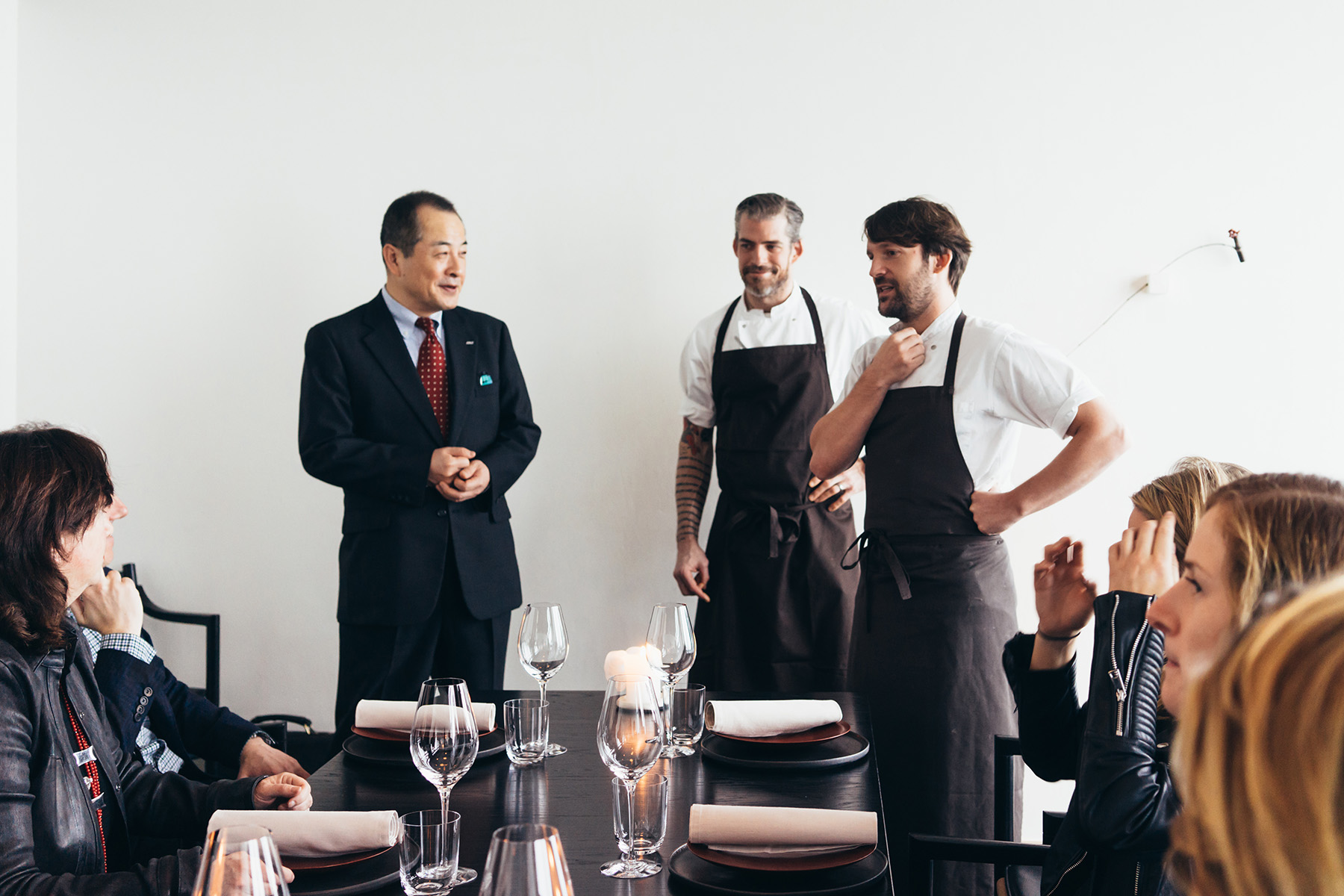
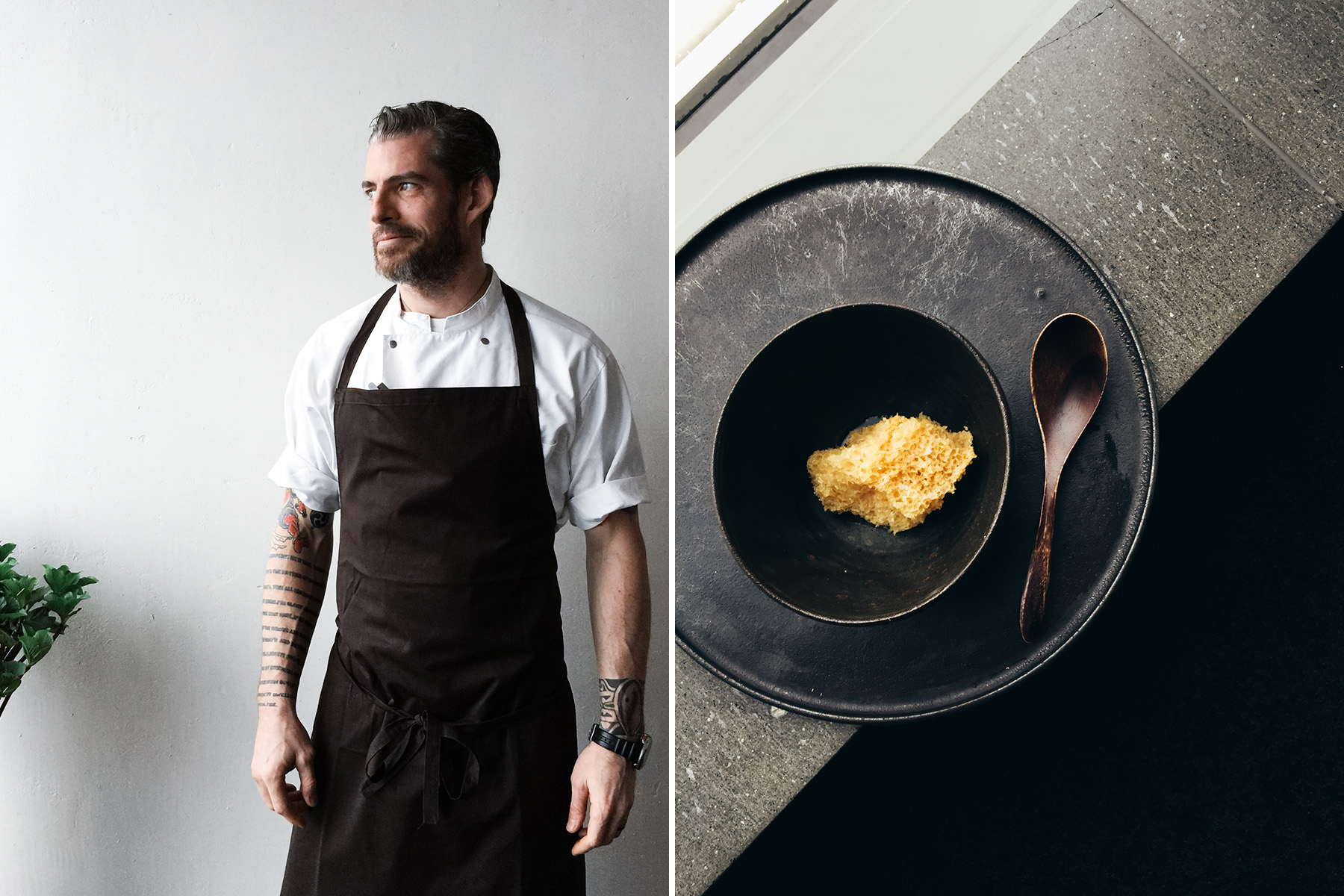
We had a chance to chat with Rene during a little tour of the kitchen (where we watched ants being
cut into thirds). We talk about how easy it is to fall in love with Tokyo, how the best things are here but it's not too pretty and has a gritty undercurrent; how everything has meaning here and how it's been amazing to be part of a culture like that; how the concept of
Omotenashi - an inner desire to perform an altruistic task but never expect anything back - is so prevalent in everything here .
Fueled to go back to work [in Copenhagen], Rene says he can't see them not doing something like this again – "It was a really a life experience that makes not only our restaurant better, but us happier."
Disclosure: This post was created in partnership with ANA - All Nippon Airways. All opinions expressed in the post are my own and not those of ANA.